Noticing more hair in your brush, a widening part, or thinning at the crown can be unsettling. If you have started researching options, you have probably come across platelet-rich plasma, or PRP. At Inspire Wellness in Kailua-Kona, we offer PRP for hair loss as part of a whole-patient approach that looks at why the thinning is happening, not just where it shows up.
This guide explains how PRP therapy works, what a typical treatment looks like, and how to tell whether it may be a good fit for you.
What Is PRP Therapy?
Platelet-rich plasma is a concentrated preparation made from a small sample of your own blood. Platelets are best known for helping blood clot, but they also carry growth factors, signaling proteins the body uses during normal tissue repair.
To prepare PRP, the blood sample is spun in a centrifuge, which separates it into layers. The platelet-rich portion is collected and then injected into the areas of the scalp where hair is thinning. Because PRP comes from your own blood, there is no foreign substance involved, which is one reason many patients are drawn to it.
How PRP May Support Hair Growth
Hair grows in cycles of growth, transition, and rest. With some common types of thinning, follicles gradually shrink and spend less time in the active growth phase, producing finer, shorter hairs over time.
The growth factors in PRP are thought to help support follicle activity and blood supply in the scalp, which may encourage follicles to stay in the growth phase longer. Researchers are still working out the exact mechanisms.
The research is promising but still developing. A 2024 systematic review and meta-analysis of randomized trials on PRP for androgenetic alopecia found that PRP was associated with increased hair density compared with placebo, while also noting that study methods vary widely and the overall quality of evidence remains limited. In other words, PRP may help some people, results differ from person to person, and it should be approached with realistic expectations.
Looking at the Root Cause First
Hair loss is often a symptom of something else going on in the body. Before recommending PRP, Dr. Daniel Caputo, N.D., L.Ac., takes time to understand the full picture, because treating the scalp alone may not address what is driving the change.
Common contributors to thinning hair include:
- Genetics and hormones: Pattern hair loss in men and women is linked to inherited sensitivity to certain hormones.
- Thyroid function: Both underactive and overactive thyroid function can affect the hair growth cycle.
- Nutritional factors: Low iron stores and other nutrient gaps can play a role in shedding.
- Stress, illness, or major life changes: A significant physical or emotional stressor can push more hairs into the resting phase at once, with shedding often showing up a few months later.
- Medications and postpartum changes: Some medications and hormonal shifts after pregnancy can temporarily affect hair.
Your evaluation may include a detailed health history, a look at your scalp and pattern of thinning, and lab work when appropriate. If an underlying factor is contributing, addressing it through naturopathic care can be an important part of your plan, with or without PRP. This blog cannot tell you what is causing your hair loss, but a personal evaluation can.
What to Expect During PRP Treatment
Your Consultation
Your first step is a consultation with Dr. Caputo to review your health history, current medications and supplements, and goals. This is also the time to talk through whether PRP makes sense for your type of hair loss and how it would fit with any other recommendations.
The Treatment Session
A typical PRP session follows a few simple steps:
- Blood draw: A small amount of blood is drawn from your arm, similar to routine lab work.
- Preparation: The sample is processed in a centrifuge to concentrate the platelets.
- Scalp preparation: The treatment area is cleaned, and steps are taken to help keep you comfortable.
- Injections: The PRP is placed with fine needles in a pattern across the thinning areas of the scalp.
Most people return to their normal routine the same day. You will receive aftercare instructions, which commonly include waiting a period of time before washing your hair and briefly avoiding strenuous exercise.
How Many Sessions Are Typical?
PRP for hair is usually done as a series rather than a single visit. Many research protocols used three sessions spaced about a month apart, followed by periodic maintenance sessions. Dr. Caputo will recommend a schedule based on your individual situation and how you respond.
When Might You Notice Changes?
Because hair grows slowly, any changes from PRP take time to appear. Studies have generally measured results over three to six months. Some patients report less shedding or improved fullness over the course of treatment, while others see more modest changes. Taking photos before and during treatment can help you and Dr. Caputo track progress objectively.
Is PRP Therapy Safe?
Because PRP uses your own blood, the risk of an allergic reaction to the preparation itself is low. The most common side effects are temporary and related to the injections, such as scalp tenderness, mild swelling, redness, or a mild headache. As with any procedure involving needles, there is a small risk of bruising or infection.
It is also worth knowing that PRP is not specifically approved by the FDA as a hair loss treatment. It is used by many practitioners based on its safety profile and the growing body of research, which is another reason a careful consultation matters.
Who May Be a Good Candidate for PRP for Hair Loss?
PRP tends to be considered for people who:
- Have early to moderate thinning: PRP works with existing follicles, so it is generally considered for areas that are thinning rather than areas that have been completely bald for a long time.
- Have pattern thinning in men or women: Most of the research on PRP for hair focuses on androgenetic alopecia, the common inherited form of hair loss.
- Want a treatment that uses their own blood: Some patients prefer an option that relies on the body’s own healing signals, either on its own or alongside other approaches.
- Have realistic expectations: PRP may help support thicker, healthier-looking hair, but it is not a guaranteed result, and maintenance is usually part of the plan.
When PRP May Not Be the Right Fit
PRP may not be appropriate if you have certain blood or platelet disorders, take blood-thinning medications, have an active scalp infection or skin condition in the treatment area, are undergoing treatment for cancer, or are pregnant. Some types of hair loss, including those that cause scarring of the scalp, may need a different approach. Dr. Caputo will review your history carefully and refer you for additional evaluation when needed.
If your hair loss is sudden, patchy, or accompanied by other new symptoms such as unexplained weight changes, extreme fatigue, or a rash, schedule a medical evaluation promptly so the cause can be identified.
Supporting Healthy Hair Beyond PRP
Because Inspire Wellness takes a whole-patient approach, PRP is often one part of a broader plan. Depending on your evaluation, that plan may include nutrition and lifestyle guidance, support for stress and sleep, and naturopathic care aimed at underlying factors identified in your workup. Some patients also choose acupuncture to support stress management and overall well-being during treatment.
Schedule a PRP Consultation in Kona
If thinning hair has been on your mind, the first step is understanding why it is happening and which options make sense for you. Dr. Daniel Caputo, a naturopathic doctor and licensed acupuncturist with more than 15 years of experience, has been helping patients at Inspire Wellness since 2009 using a blend of evidence-based medicine and natural therapies.
Call (808) 895-3097 to schedule a consultation at our office at 75-169 Hualalai Road in Kailua-Kona, or ask about a phone or virtual consultation to get started. Together, we can build a personalized plan to support your hair and your overall health.
Frequently Asked Questions
Does PRP for hair loss hurt?
Most patients describe the injections as uncomfortable but manageable. Steps are taken to help keep you comfortable during the session, and any scalp tenderness afterward is usually temporary.
How long does a PRP hair treatment take?
A session includes the blood draw, preparation of the PRP, and the scalp injections, and most people return to their normal routine the same day. Your exact appointment time will be discussed during your consultation.
Are PRP results permanent?
PRP is not considered a permanent solution. Because many types of hair loss are ongoing, patients who see benefits often continue with periodic maintenance sessions. Dr. Caputo will talk with you about what a long-term plan may look like.
Can PRP be combined with other hair loss treatments?
In many cases, yes. PRP is sometimes used alongside other approaches, and research has looked at combining it with other treatments. Talk with Dr. Caputo about everything you are currently using so your plan can be coordinated safely.


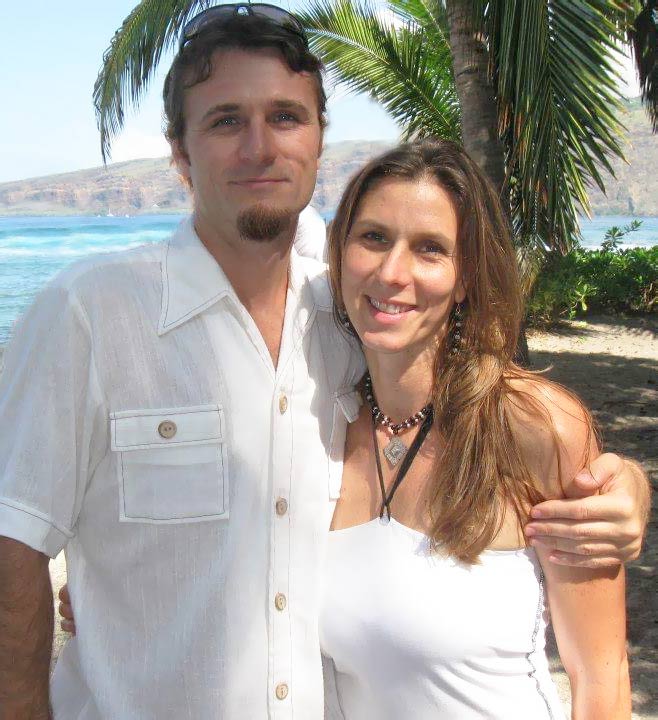
Dr. Daniel Caputo N.D., L.Ac.
Providing Acupuncture Therapy for Big Island residents and visitors since 2009
Dr. Daniel Caputo N.D., L.Ac. is an experienced, licensed, and registered Doctor of Naturopathy and Acupuncture dedicated to helping you achieve your wellness objectives by combining skill and expertise that spans the entire wellness spectrum of well-being using the core principles of naturopathy.